Clothing Care Label Symbols Explained, One Symbol at a Time
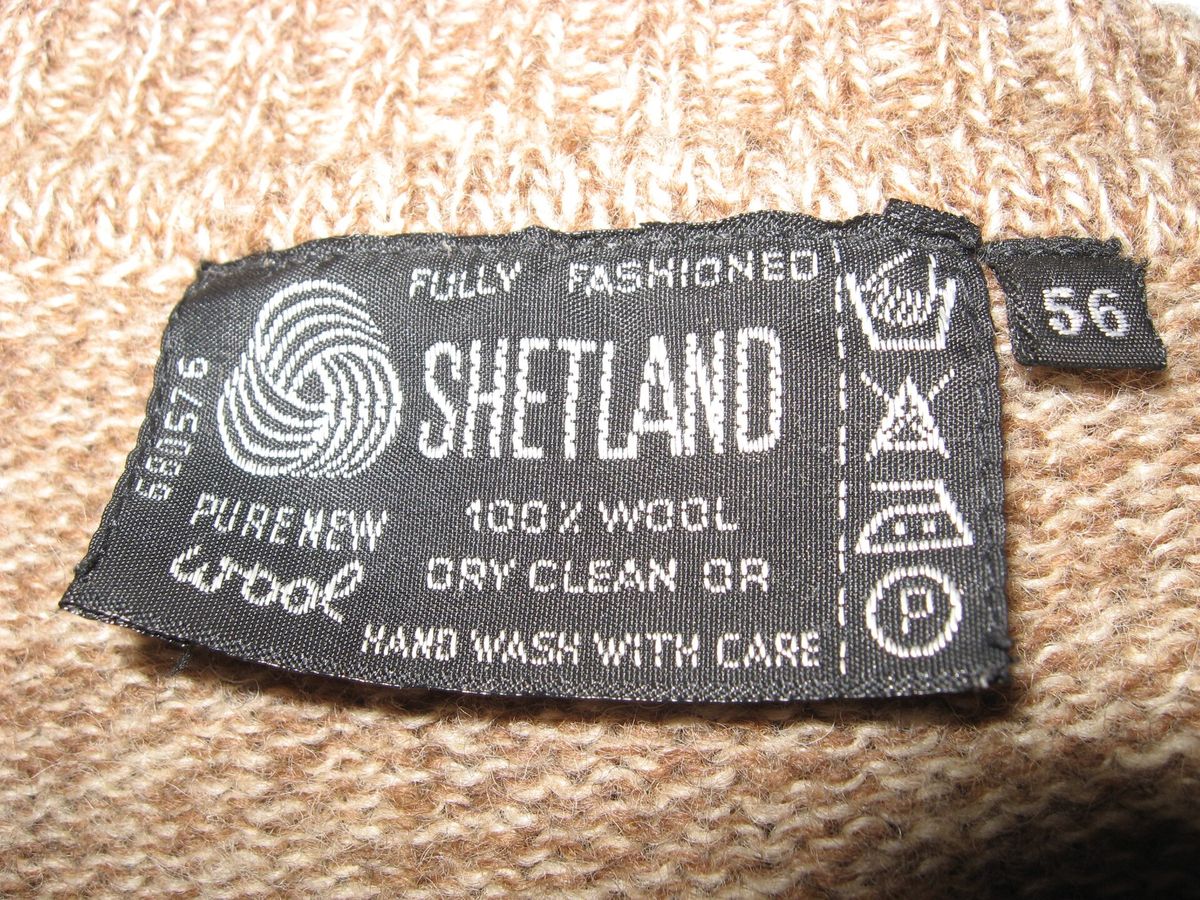
The tiny icons on your clothing tags are the most certain instruction you have on how to treat that item. These are not suggestions; they are the maximum-allowed processes that won't cause permanent damage.
In this guide
The tiny icons on your clothing tags are the most certain instruction you have on how to treat that item. These are not suggestions; they are the maximum-allowed processes that won't cause permanent damage. Make one careless mistake, such as dumping a red sweater in with your bleached whites, and you've wrecked the fabric.
The care label symbols are an official international system of symbols meant to protect your clothes. They've been published as an international series of graphic symbols under ISO 3758. The standard was published in December 2023 and updated to indicate the most severe safe treatment that, if not exceeded, will avoid irreversible damage.
What Are the Care Label Symbols?
You'll find a set of fixed symbols, in a specific order:
- Showing the maximum permitted washing process, usually marked with a tub.
- Indicating the bleaching process with a triangle
- Specifying domestic drying with a square.
- Denoting ironing temperatures with an iron, according to dots.
- The circle for professional textile care.
How to Read the Symbols
When a set of symbols appears on your garment label, read them in fixed order:
- For washing, look for the symbol of a bucket, washtub, or bathtub, wrapped in a dot, bar, dotted lines, or dotted circle. The bucket indicates the washing process, and the symbols in the bucket indicate the process too.
- A circle in lines means professional, or dry cleaning only
- A dot signals handwash with low suds
- A cross means you must not put the garment through this treatment
- Typical bleaching processing is denoted by a triangle, and you can do it if the circle is alone. A cross through it means don't bleach.
- Look for a square symbol if you need to dry; inside the square, a circle denotes professional textile care, rather than a tumble dryer.
- Temperatures are shown by dots, for ironing purposes. Mistakes are costly -- check the label first
- Industrial services are hinted at by a circle, implying that imported items -- some imported items may not have this symbol. Dry-cleaning services may be suggested within the symbol, where a cross means don't.
Check for a warning cross. This universally means you can not put the garment through that treatment.
What the Bars and Dots Mean
Dots and bars modify the base symbols:
- A tumble dryer is expressed as a circle in a square, with a bar.
- Some dryers display one or two bars of the same width across the diagram
- Hand wash symbols indicate specific treatments. Hand-washing clothes are signaled by a tub with a dot inside. If it's inside, the wash bucket specified cannot be exceeded.
- The number of dots next to an iron specify the heat.
- Ironing is indicated, of course, by the iron symbol.
What the "Do Not" Symbol Means
Though it may seem redundant, a clothing care label with opposite instructions, like a bucket with a cross through it, shows you maximum performance without ruining it. It means do not use that treatment, or use it under the exception.
Without the Label
If your caregiver does not specify a maximum limit on the treatment, then there may not be a standard way to manage it safely.
Why Clothing Care Labels Matter
The care labels on your clothing matter because they guide you to use your garments without causing irreversible or permanent damage. When you exceed the maximum clean they specify, you're setting yourself up for a problem. The care labels you find on clothing and textiles are far from just suggestions -- they're a legal, globalized method for avoiding garment mishaps. Whatever you might think you know about loading your machine or cleaning your clothing, stick to the rules on the tag.