Smart Casual vs Business Casual: What Each Dress Code Means
Business casual remains the stricter, safer option anchored to the office look; smart casual lets in more trendy, casual elements somewhere between the two.
In this guide
Business casual remains the stricter, safer option anchored to the office look; smart casual lets in more trendy, casual elements somewhere between the two.
What business casual actually allows
Business casual is a step down from formal business attire, but it still represents a polished, professional image for the office. As Indeed Canada describes it, “It's a professional dress code with casual elements, such as button-down shirts and khakis, without the formality of a suit or tie.”
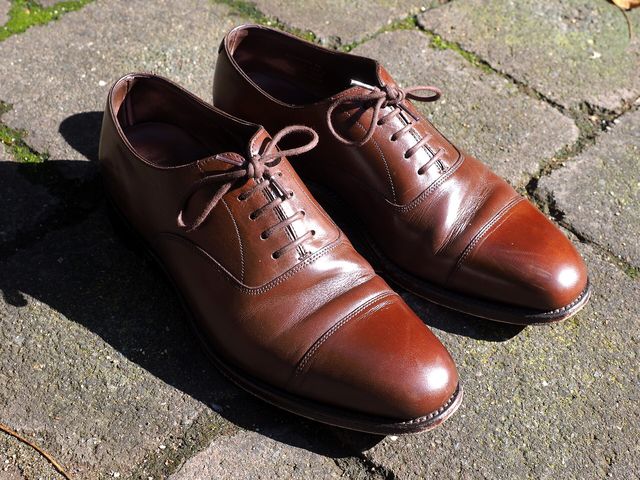
The aim is a neat, well-put-together appearance that avoids looking sloppy without being overdressed. As an example, men might wear slacks, chinos, or dress pants with a button-down, polo, or sweater, and closed-toe shoes like loafers or oxfords. For women, dress pants, knee-length skirts, and professional blouses or turtlenecks paired with ballet flats, loafers, or low-heeled pumps are generally acceptable.
Key exclusions include athletic wear, jeans, sneakers, and anything too trendy or flashy. Scoop neck or tank tops, short skirts or shorts, visible tattoos, and excessive jewelry are also out. If unsure, leaning toward only the more formal of two options keeps it office-safe.
What smart casual changes
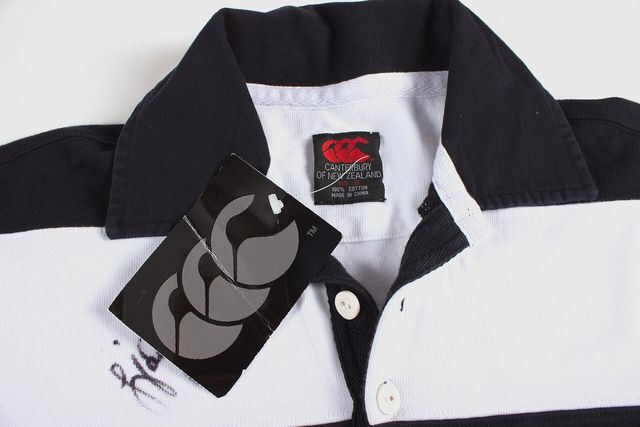
Smart casual adds more style, personal touch, and deliberate informality to the basic business-casual guideposts. As the University of Arizona describes it, "smart casual is a form of business casual attire with a stylish twist." It's not a totally free-for-all, but there's more leeway than typical office wear suggests.
Expect more individual flair in the cuts, colors, and accessories from garments that can't stray too far from the general business look. This might mean casual pants or smart jeans, a sweater instead of a jacket, or sneakers on the feet, as long as the whole ensemble still leans toward the semi-formal without getting overtly sloppy. Smart casual is where business and trendy casual overlap, if the office dress code is relaxed and the situation allows it.
The overlap that causes confusion
It's easy to get smart casual and business casual blended into one generalized category. Both involve a kind of professional, cleanly presented appearance, and the same garments often appear on both lists. A blazer, button-down, dark jeans, flats, or loafers are often interchangeable depending on what else they're paired with—and what the setting calls for.
The key is that smart casual simply approximates business casual on a daily basis. So a turtleneck and dress pants could be business casual, while a sweater and jeans are looser but still considered smart casual. Think of business casual as a middle ground between a full two-piece suit and a casual weekend look; smart casual takes that farther toward the weekend but still keeps a professional edge.
What to avoid
It's true that both styles are a step down from entirely professional, office-only attire. Smart casual adds more of a style focus while still maintaining a certain level. But neither can venture into athleisure territory. For either dress code: - Avoid anything too sheer, torn, sporty, or overly casual - Stick to flat or low-heeled shoes - Opt for dark rather than light denim - Subdue the accessories and jewelry - Avoid sportswear or hoodies
If an outfit would normally be a casual choice, erring on the safe side is your best fallback. In contrast, smart casual and business casual both allow more individualistic styling than traditional business wear does, but less than a purely casual style.
Where the line moves
Like certain definitions, smart and business casual are often described in terms of what they're not more than by an objectively defined list of in-bounds outfits. What one draws as a line between workable and not depends on how strictly by the books a setting wants things, and how much they're willing to bend.
The fancy event or financial adviser's office may have stiffer ideas of appropriate than a relaxed tech startup, even if they all technically call the dress code "business casual." And smart casual follows the same, but usually admits room for even more flexibility and expressive individual style, as long as it's not overtly loud or inappropriate.
The practical fallback
When the dress code is unclear, or you're attending a venue or event for the first time, better safe than sorry prevails: stick closer to business casual. Stay conservative when considering layering, accessories, shoes, and jeans. While different guides may have various sources - some with more rigor than others - this rule of thumb remains rooted more in common sense than any one-size-fits-all rule for both situations and fashion sensibilities. University of Arizona Career Center, https://career.arizona.edu/blog/2024/10/03/the-dress-code-dictionary-a-comprehensive-guide/, 2024-10-03 Indeed Canada, https://ca.indeed.com/career-advice/career-development/business-casual-vs-smart-casual, 2026-05-04 Salary.com, https://www.salary.com/articles/advance-at-work/business-casual-attire-mens-and-womens-guide-with-examples/, 2025-11-28 C&A, https://www.c-and-a.com/eu/en/shop/smart-casual-clothes, 2025-02-19 Reed, https://www.reed.com/articles/smart-casual-dress-code-guide, 2025-03-12