How to Tell If a Sale Is a Real Discount
That discount sign overstating a huge saving - if you recognise the reference price was an artifice, you're already ahead of the curve.
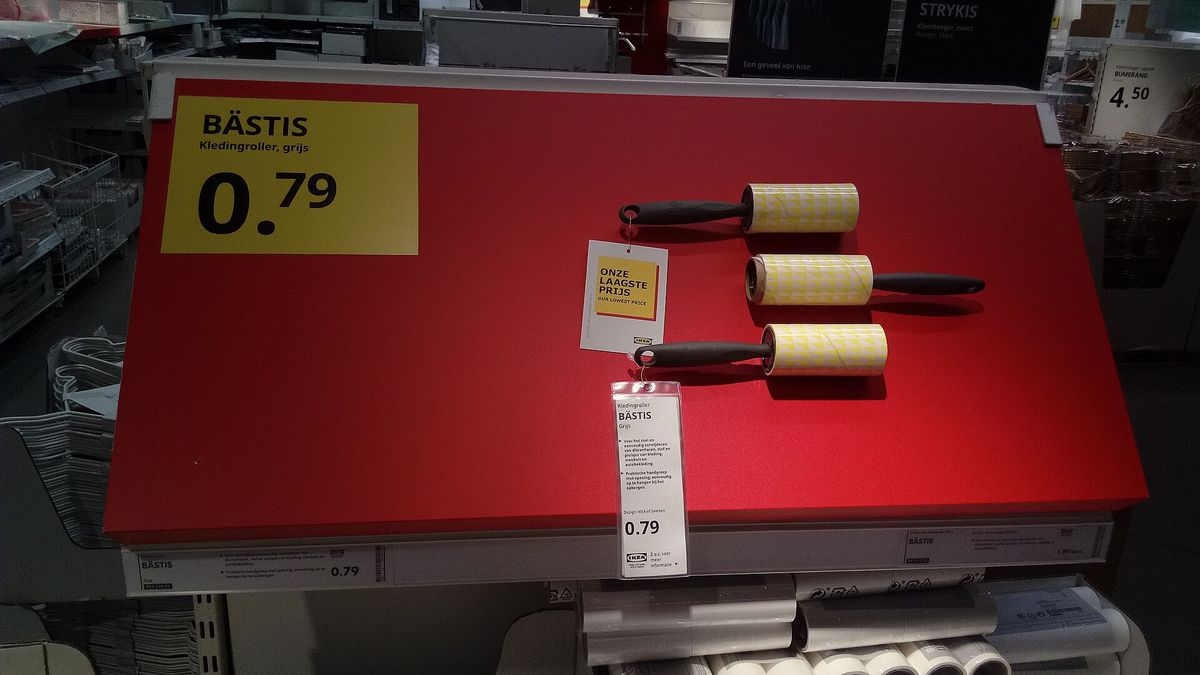
That discount sign overstating a huge saving - if you recognise the reference price was an artifice, you're already ahead of the curve.
Is the now-throwback price much higher than the current one? Consider the core fact: the discount should reflect an actual, properly established price rather than an untrue advertising claim.
There are several price comparison methods.
First, a merchant may compare an advertised price with a value that it says it charged for the item previously.
In contrast, an after-promotion price or introductory price could compare the current advertised price to what the item later trades for.
RRPs compare an advertised price with what the maker or provider says it should charge, while competing prices compare it to what other places are charging.
The key to spotting a genuine discount is ensuring that the reference price was not only advertised but also real.
UK government guidance requires that for every two units sold at the “now” price, at least one was sold at the “was” price. It requires the reference price to be established over sufficient time and volume.
Also, you cannot advertise that recent price if you were selling the product for less for a long time before this.
Another common pricing trick is packaging - offering a deal on groups of goods.
There, a merchant may structure the comparison to obscure the actual markup.
Perhaps there's a 50% off bargain sale, but only if you commit to buying four of the things.
That's not always easy for customers to strip down to. 50% off four of something remains 50% off four of something at face value, but in use the math may not land there.
If you arrive at a retailer and see a sale price that looks too good, at least cast an eye for how the actual other price compares to what that trader has actually charged.
Even a strong discount on a bundle still needs to reflect a genuine reference price for the collection.
The margin on that recent sale shouldn't be taken to mean the percentage-off claim.
To make sure a claimed discount is a real one, consider whether the unverified estimated price reflects a real norm over time, and whether enough of the merchandise must have been sold at that level.
According to UK rules, the reference price and discount periods should form a ratio of at least 1:1. They also say the highest prices must come first, with the sale immediately following.
Merchants know you see the percentage-off signs from far away.
Genuine savings come from putting them on after a properly established reference price, not just as sales-floor hoopla to get your attention.
If the reference price was not genuinely established in a meaningful way, the discount is likely nothing more than a marketing tactic. Even buying it will not be worth it.