Buying Secondhand Clothes Online: How to Judge Condition From Photos
The secondhand clothing market is booming on marketplaces. Prices are more attractive on new but secondhand items can have unknown wear flaws.

In this guide
The secondhand clothing market is booming on marketplaces. Prices are more attractive on new but secondhand items can have unknown wear flaws. Even with condition labels, online secondhand fashion requires a careful photo review.
How Condition Is Actually Signaled Online
In online secondhand listings, condition is described with labels such as "new," "excellent," "very good," "good" or "fair" to indicate the level of wear. Most marketplaces have their own scales. For example:
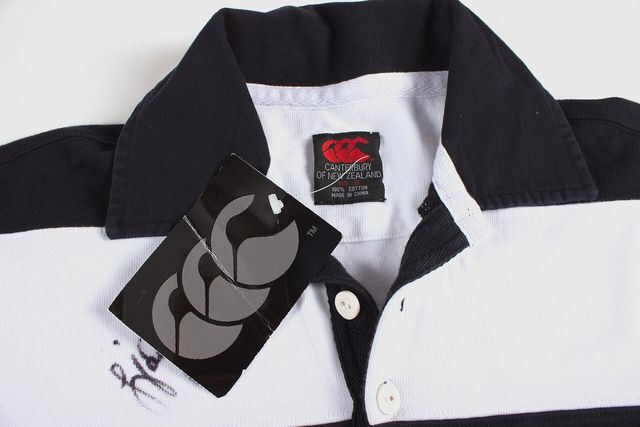
- New means the item is unworn and may still have tags attached, such as PoshWorn’s "Never worn, original tags still attached" (NWT) or "Worn once or twice at most, with zero visible signs of it" (NWOT) definitions.
- Excellent generally means the item looks new, with no flaws at all. Very Good might have minor flaws. Good means noticeably worn. Fair means "Noticeable wear, minor flaws" and Poor means "Significant damage, visible defects."
Clothing-condition labels are a start but cannot tell the whole story.
What Photos Should Reveal
Photos are the key to judging an item’s true state. A single photo in indoor lighting won't do: you should look for multiple angles, all taken in daylight near a window, front and back.
The flaws that a reseller tells you about should be clearly visible in the photos; there should be close-up shots showing any wear or damage.
PoshWorn’s guide says to photograph: - Underarms, collars, cuffs, inner thighs, and any strapping or seam lines. Pilling and sheen from wear start here first. - The item laid flat in that exact state you'll receive it, front and back, with all tags and labels visible so that you can check brand and care instructions for yourself.
If those angle and care shots are missing, ask the seller for more photos that confirm the listed item and condition, including tags and care instructions.
What to Ask For Before Buying
Before making a purchase, check that all the photos are of the actual item, not just website images. Don’t rely on one photo; look for photos of the item from different angles, including any remaining flaws. Confirm that it’s the real deal and that any flaws are correctly described.
If there are no angle or care shots, ask the seller for extra pictures: ones showing any brand tags for pricing confirmation, and ones showing the care label, so you get a handle on wash requirements.
Why Measurements Matter More Than Size Tags
A size marked on the tag isn’t the best way to check fit. It doesn’t tell you how long the arms are, or how tight or loose they fit, or how stretchy they might be. Look for measurements instead.
Most online resellers provide measurements, and that is the most useful thing you can do, according to a 2021 guide by Reviewed.
If only a size is shown, measure your favorite comfortable garments in the same way: flat, from seam to seam, and check how the item compares.
Compare the item dimensions listed, or measured from the pictures, to your body. How far is the armpit seam from the bottom hem? How long is the torso? The more relevant measurements you check, the more sure you can be of a comfortable fit.
Reading Wear Zones
Sellers who know what they’re doing will send clear photos showing the invisible to an online viewer: zoning wear. Photos that show a horizontal crease along the inner thigh? You can bet it’s easy to spot in person, thank you very much. Straps cause a wear band at the shoulder early on, making for a focal point on jackets and bags, and polish wear at contact points on the shoulders. Collars and cuffs are often ragged or pilled.
Daylight shows off flaws that indoor lighting masks, making it harder to miss something.
Ask the reseller what condition the item is in using the terms that make sense for your wearable: good used, fair, poor or new. In practice, common condition grades describe used items as:
- Fair when noticeable wear, minor flaws
- Poor when the item has significant flaws or a visible defect
- Good used or better, for items in better nick.
How to Translate a Listing to a Buying Decision
Compare the seller's grading, the photos, and the measurements to decide whether the item is worth it.
Read between the lines when it comes to how sellers describe wear. Does a seller say the leather has “vintage patina” or “lovely sheen”? Take this as a warning that the item may be more worn than claimed.
Ultimately, when online shopping for secondhand clothes, condition is a standout criteria, so it’s important to know what to look for. New might mean.. more than new. Fair could mean.. maybe ok. That’s why comparison – example and direct – and asking questions help secondhand buyers know whether an item is wearable for them – and whether it’s a risk to buy it.