How to Tell If a Designer Bag Is Real Before You Pay
When you're about to buy a pre-owned designer bag, the first question is simple: does the model even exist?
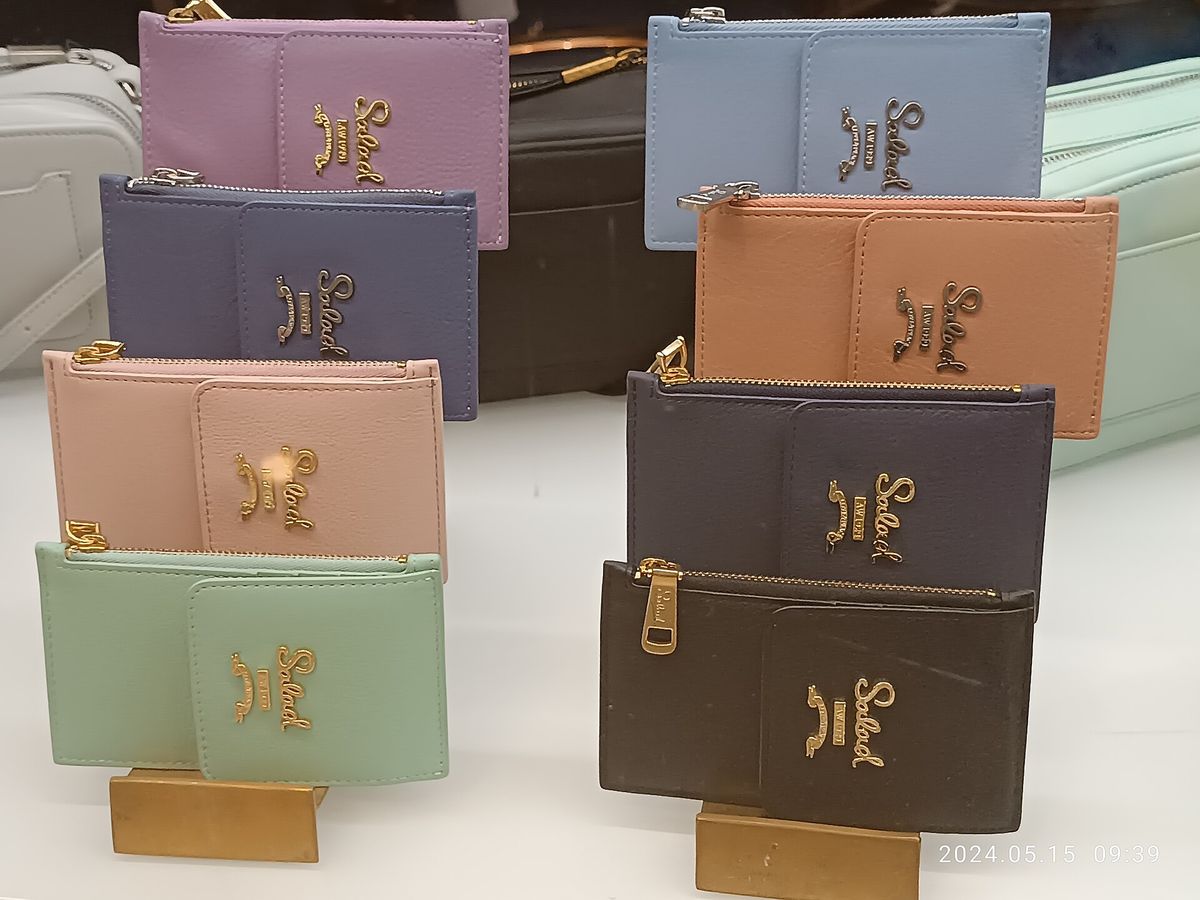
When you're about to buy a pre-owned designer bag, the first question is simple: does the model even exist? If, for instance, you're considering a vintage Chanel 2.55, check that it's one of the authentic iterations and not a re-edition or fake version. Once you've established that the real item you think you're considering does in fact exist, then you must examine the bag for hallmarks of authenticity.
But more people miss the mark here than you'd think. Sure, a serial number or a photo comparison could give you clues, but a bag's authenticity hinges on a range of physical details. That's why, when you're scrutinizing a secondary-market designer bag, start by taking a detailed look at the materials, stitching, hardware, codes, and construction. These are the specifics real authentication services check.
The branded leather, for instance, has particular qualities an expert looks for. The stitching will have consistent tension and even the colors to date. Hardware should feel solid and align in particular ways. The bag’s structure itself, from the glue on the lining to the paint under a zipper, offers clues. Even if a bag looks original, you must account for the manufacturing period. A "fake" Gucci Marmont mini might match most tell-tale signs from 2023, but never existed in 2018.
But a buyer can't ignore serials and codes, even if they can't interpret every one. "Legitmark, for instance, says its app guides you to photograph the hardware, stamps, date codes, and where the leather connects behind. Its trainers will review those parts." If a brand used serials, they appear in most spots, not just one. That means a complete visual review helps confirm you're looking at the real deal. Beneath the serials and stamps, BAGVRA says it looks at materials, where stitches fall, how hardware aligns, and how the bag actually fits together to make its call. LuxCheck, meanwhile, focuses on serial numbers, hardware, and the brand’s creative details.
If you want a proof-finding service, authenticators offer ways to block payment until they've visually confirmed the bag's makeup. LegitGrails, for instance, allows you to upload images and it'll review them. "If the outcome is inconclusive, the service will report it." BAGVRA, meanwhile, gives three ways. You can photograph the item and upload it, and get a detailed authenticity call. Legitmark's experts will review photos against reference items. Real Authentication uses its own series of photographs, alongside human review. And, perhaps most conveniently, Handbag Clinic offers a remote check linked to your product page. In cases where the evidence is low, you can even drop the bag in an in-store for a final analysis.
As a buyer, though, you can do a lot yourself. Services like Legitmark ask you to photograph logos, tags, hardware, stitching, building styles, too. LuxCheck pulls your focus to the serials, hardware, stitching, and brand marks. Above all, make sure to get images from every angle: a bag's padded details can be viewed at an incompatible angle. If anyone asks you, be ready to share images of the hardware, labels, and innards, without using anything too obvious. LegitGrails, alongside BAGVRA, give you a shareable digital certificate. Handle these images as screenshots, or as evidence in your final sale.
But even with services, you aren't paying for a full confirmation-an "inconclusive" call is the end of many checks. Understand BAGVRA's call might mean you need a complete check, or that you need to buy from a better-known reseller. Real Authentication might spot a fake even if it has a serial.
And, yes, those services do more than look at a photo. Legitmark trains real people to identify bags, reviewing each one. Handbag Clinic's experts call out fakes while they are still in hand. LegitGrails lean on complex databases of authentic pieces and known fakes.
Services do deliver certainty, meaning you need a reputable source and not a knock-off. A good service knows you'll need certainty, which means you'll get a real certificate. If you get the green light, you can haggle your purchase with certainty.
Ultimately, even the best resource here is preparation. Research trade names, standards, and composite materials, know how to check for obvious counterfeits. If a bag is listed for too little, treat it with suspicion. As a rule, even the safest checking here includes a check for authenticity, and an informed buyer, not just a reseller.
A closer look into those specific details sends a message, though: a fake bag seldom beats a close look in, even when it skips fact-checking and trading tricks. No certificate covers a fake, however reader-friendly the guarantee decal. So, make the service yours before buying, even if making the bag yours means paying a trusted authenticator first.