SPF 30 vs SPF 50: What the Numbers Actually Mean
The SPF (Sun Protection Factor) value indicates the level of protection a sunscreen provides against sunburn caused by UVB rays, as measured in a lab test.
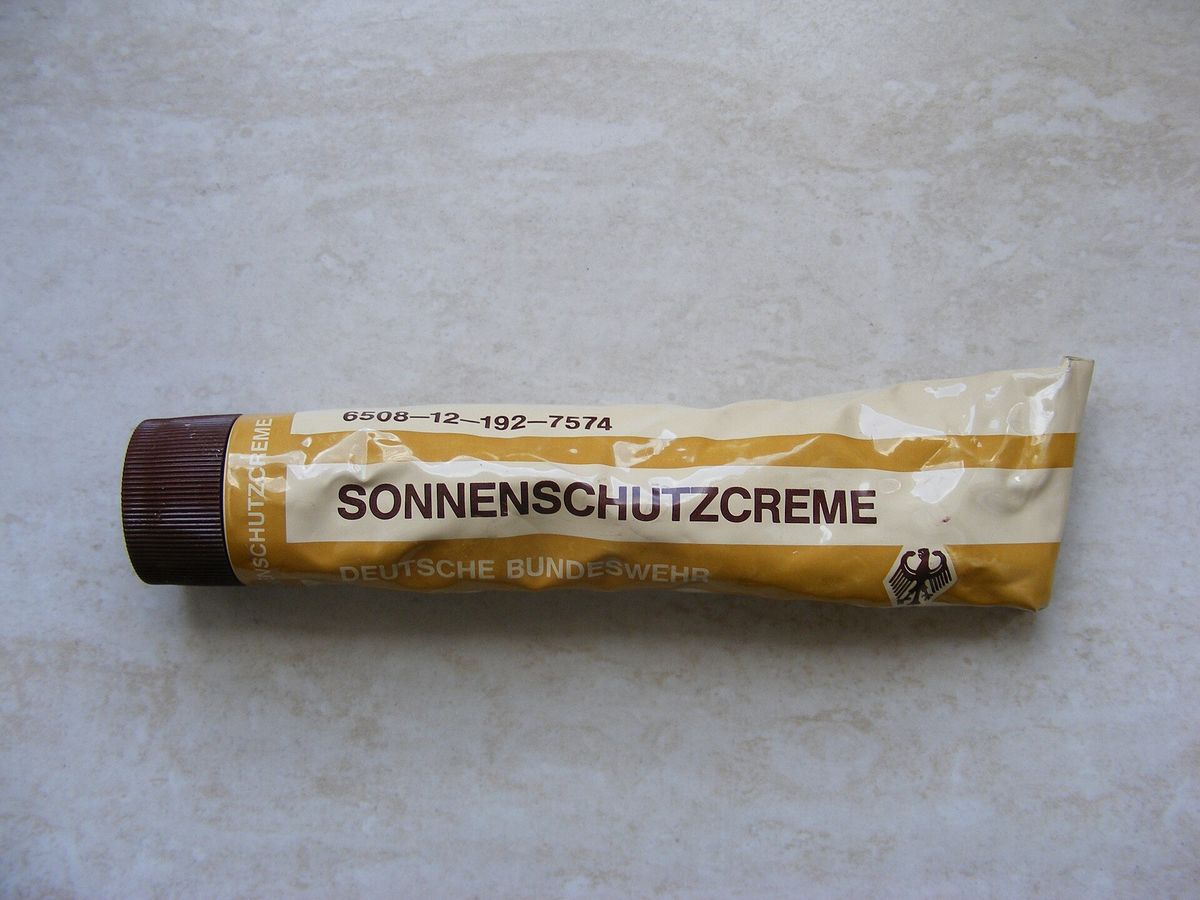
When choosing a sunscreen, the SPF value is a critical factor. But what do SPF 30 and SPF 50 actually mean, and is the difference between them as significant as it first appears?
The SPF (Sun Protection Factor) value indicates the level of protection a sunscreen provides against sunburn caused by UVB rays, as measured in a lab test. An SPF of 30, for instance, means it takes 30 times longer for skin to start to burn when using the SPF 30 product compared to no sunscreen. However, the practical gap between SPF 30 and SPF 50 is smaller than it looks.
The FDA states that SPF values, including SPF 50, are determined from a test that specifically measures protection against sunburn caused by ultraviolet B (UVB) radiation. SPF indicates a sunscreen’s UVB protection. The FDA explicitly says higher SPF values, up to 50, provide greater sunburn protection. However, there is not sufficient data to show products with SPF values above 50 provide greater sunburn protection than those with SPF 50. As a result, the FDA limits maximum labeled SPF values to “50+”.
SPF is a UVB-only protection number, so the practical gap between SPF 30 and SPF 50 is smaller than it looks.
The label also does not capture all the sun you need to block. SPF values only indicate a sunscreen’s UVB protection.
A clear label does not mean it protects however you use it. The FDA says: “Water Resistance is not Waterproof. No sunscreen is waterproof.. If a product’s label makes claims of being water resistant, the product must specify the amount of time a user can expect to get the declared SPF level of protection while swimming or sweating (based on standard testing)”. “Water resistant” and “very water resistant” claims are tied to the product’s tested SPF after the required testing procedures, which means you should reapply regularly and based on those results.
A correctly labelled product today will have been tested.
SOURCES: SPF is a UVB-only protection number, so the practical gap between SPF 30 and SPF 50 is smaller than it looks. The FDA states that SPF values, including SPF 50, are determined from a test that specifically measures protection against sunburn caused by ultraviolet B (UVB) radiation, and that these SPF values are only meant to indicate a sunscreen’s UVB protection. The FDA also says that there is not sufficient data to show that products with SPF values higher than 50 provide greater sunburn protection than those with SPF 50. (U.S. Food and Drug Administration, “Questions and Answers: FDA announces new requirements for over-the-counter OTC sunscreen products marketed in the US,” https://www.fda.gov/drugs/understanding-over-counter-medicines/questions-and-answers-over-counter-otc-sunscreen-products-marketed-us, 2019-09-02; U.S. Food and Drug Administration, “Questions and Answers: FDA posts deemed final order and proposed order over-the-counter sunscreen,” https://www.fda.gov/drugs/understanding-over-counter-medicines/questions-and-answers-over-the-counter-over-counter-sunscreen-products-marketed-us, 2022-12-16) The FDA defines SPF as the level of sunburn protection provided by a sunscreen product (U.S. Food and Drug Administration, “Sunscreen: How to Help Protect Your Skin from the Sun,” https://www.fda.gov/drugs/understanding-over-counter-medicines/sunscreen-how-help-protect-your-skin-sun, 2026-06-09). It is measured by comparing how much UV radiation exposure it takes to cause sunburn when using sunscreen versus not using sunscreen (U.S. Food and Drug Administration, “Sunscreen: How to Help Protect Your Skin from the Sun,” https://www.fda.gov/drugs/understanding-over-counter-medicines/sunscreen-how-help-protect-your-skin/sun, 2026-06-09). The FDA states that “SPF relates only to the amount of UV radiation from the sun that reaches your skin, but it does not measure how well a product protects from UV radiation that reflects off water, sand, or other surfaces” (U.S. Food and Drug Administration, “Sunscreen: How to Help Protect Your Skin from the Sun,” https://www.fda.gov/drugs/understanding-over-counter-medicines/sunscreen-how-help-protect-your-skin/sun, 2026-06-09). SPF then, is a UVB-only number. (also U.S. Food and Drug Administration, “Questions and Answers: FDA announces new requirements for over-the-counter OTC sunscreen products marketed in the US,” https://www.fda.gov/drugs/understanding-over-counter-medicines/questions-and-answers-over-counter-otc-sunscreen-products-marketed-us, 2019-09-02)
The FDA notes that even if a high SPF product covers skin perfectly, the protection will break down after a relatively brief time (U.S Food and Drug Aministration, “The FDA Say It Can Prevent Much of That Damage, But It Comes With a Warning,” https://www.fda.gov/consumers/consumer-updates/fda-say-it-prevents-much-skin-damage-but-comes-warning, 2026-06-08) Accordingly, the FDA advised the sunscreen monograph should state: 'Sunscreen active ingredients are not pesticides. Sunscreen products containing the 18 active ingredients included in this OTC monograph are beneficial in preventing sunburn. (U.S Food and Drug Aministration, “Questions and Answers: FDA announces new requirements for over-the-counter OTC sunscreen products marketed in the US,” https://www.fda.gov/drugs/understanding-over-counter-medicines/questions-and-answers-over-counter-otc-sunscreen-products-marketed-us, 2019-09-02). What this means beyond sunburn protection remains unclear. "Water Resistance is not Waterproof. No sunscreen is waterproof.. If a product’s label makes claims of being water resistant, the product must specify the amount of time a user can expect to get the declared SPF level of protection while swimming or sweating (based on standard testing)'" (U.S. The FDA sunscreen monograph material states that sunscreen products must include an SPF statement on their label, and that the labeled SPF should be determined after 40 minutes of water immersion in the applicable testing procedure (U.S. Food and Drug Administration, “Sunscreen Drug Products for Over-the-Counter Human Use,” https://www.fda.gov/media/122882/download, 2026-08-26; U.S. Food and Drug Administration OTC Monograph, “Sunscreen Drug Products for Over-the-Counter Human Use,” https://www.accessdata.fda.gov/drugsatfda_docs/omuf/monographs/OTCMonograph_M020-SunscreenDrugProductsforOTCHumanUse.pdf, 2026-08-13)